


No products in the cart.

Bartender Blog
How a Siphon Works: Tips and Tricks for Cocktails 
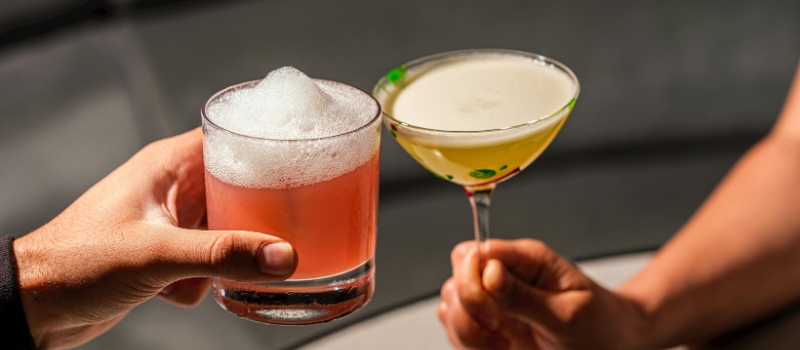
Have you ever wondered how a siphon works and why it is such a valued tool in professional mixology? Or how to use a siphon to give a unique touch to your cocktails? If the answer is yes, like us, you are one of those who believe that mixology is an art that creates complete sensory experiences.
The siphon opens up a universe of creative possibilities, from light and aromatic foams to carbonated cocktails that surprise with their freshness.
What is a siphon?
Before diving into preparing spectacular cocktails, it is essential to understand what a siphon is and its role in mixology. In simple terms, a siphon is a pressurized device designed to infuse gas—either carbon dioxide (CO₂) or nitrous oxide (N₂O)—into liquids, thereby modifying their properties. But what makes it so special for bartenders?
A siphon helps you to:
- Carbonate liquids quickly, creating fine and uniform bubbles.
- Generate foams with smooth and stable textures.
- Facilitate rapid infusions of flavors into spirits or mixtures.
- Enhance the sensory experience of any drink, providing freshness and volume.
- Allow for customization and experimentation with ingredients and techniques.

In professional mixology, the siphon is valued for its versatility. There are primarily two types: the soda siphon, which uses CO₂ to create carbonated drinks, and the cream siphon, which uses N₂O for foams and mousses. Each has its own uses and characteristics, but both greatly expand a bartender’s creative options.
How to use a siphon in mixology?
Knowing how to use a siphon correctly is as important as knowing what it is. Technique, handling, and equipment selection directly impact the final result. So, how do you use a siphon for cocktails and make the most of its benefits?
To get started:
- Choose the right siphon: depending on whether you want to carbonate liquids (soda siphon) or make foams (cream siphon), the capacity and materials vary. For home use or small bars, 0.5-liter models are recommended.
- Prepare the right mixture: strain liquids well to avoid clogs and use cold ingredients for better carbonation or foam stability.
- Charge the gas correctly: place the CO₂ or N₂O charger in the corresponding holder and screw it on firmly to release the internal pressure.
- Shake and rest: shake vigorously to mix the gas with the liquid, and let the siphon rest for a few minutes to stabilize the texture.
- Serve with precision: control the pressure when releasing the contents to avoid excess foam or a discharge that is too liquid.
In practice, a siphon can help you prepare anything from a sparkling mojito to a red berry Gin Fizz, or even exotic foams that transform an Espresso Martini. Each cocktail has its ideal pressure level and serving technique.

Key tips for efficient use:
- Always keep liquids cold for best results.
- Use original and compatible chargers to avoid damage.
- Clean the siphon after each use to preserve its components.
- Adjust the pressure according to the recipe and type of gas.
- Practice shaking and resting to achieve perfect textures.
Types of siphons for mixology
Each type meets different needs and results, and it is essential to know them.
Soda siphon
Ideal for carbonating liquids using carbon dioxide (CO₂). It is the preferred choice for preparing sparkling water, homemade tonics, or effervescent cocktails. Classic example: a Margarita with fine, persistent bubbles that provide freshness and a renewed experience.
Cream siphon
Uses nitrous oxide (N₂O) to create light and stable foams. It is fundamental in advanced mixology for preparing fruit foams or rapid infusions. For example, a passion fruit foam that enhances a Pornstar Martini or a natural pineapple foam to accompany a traditional Margarita.

Combined and specialty siphons
There are models that allow for interchangeable chargers or incorporate innovative designs for greater precision and safety. These siphons are often preferred in professional bars seeking maximum efficiency and versatility.
Benefits and advantages of using a siphon in mixology
- Instant carbonation without bulky machinery.
- Notable improvement in the texture and presentation of cocktails.
- Facilitates rapid infusions, saving time.
- Expands creativity with new techniques and flavors.
- Easy cleaning and maintenance for professional and home use.
- Better preserves ingredients and prolongs the freshness of preparations.
How does a siphon work?
To fully understand how a siphon works, it is necessary to know the physical principle that makes it possible and the components that allow its operation.
The physical principle behind the siphon (N2O or CO2 and pressure)
Operation is based on the pressure generated by the release of compressed gas inside a closed container. In soda siphons, carbon dioxide (CO₂) dissolves into the liquid, creating carbonation. In cream siphons, nitrous oxide (N₂O) acts as a propellant and foam stabilizer by emulsifying the liquid with gas and generating an airy texture.
This process is controlled by the internal pressure of the siphon, which allows the contents to be expelled in liquid or foamy form depending on the gas and mixture used.
Parts of the siphon
- Body or canister: stainless steel container where the liquid mixture is placed.
- Head: top cap with a mechanism to insert chargers and activate the discharge. It contains a valve, silicone gasket, and spring to control pressure.
- Nozzles: different shapes that regulate the flow and output style (straight or tulip).
- Charger holder: the place where the gas charger is placed to release pressure inside.
Assembling the siphon
- Fill the body with the strained mixture, respecting the maximum capacity.
- Screw on the head, ensuring gaskets and valves are clean and in place.
- Insert the charger into the holder and attach it to the head.
- Turn firmly until the gas is emptied into the interior.

Activating the siphon
By pressing the lever or trigger on the head, the internal pressure expels the liquid or foam through the nozzle, controlling the flow for a homogeneous and stable output.
Internal process of the siphon
Inside the siphon, compressed gas mixes with the liquid under pressure. In the case of CO₂, a gas solution is generated for carbonation. With N₂O, the gas emulsifies the liquid molecules, forming small bubbles that create foam as they exit through the nozzle.
Errors when using a siphon in mixology
Like any technical tool, the siphon requires careful handling to avoid common problems such as those that often occur due to not knowing the different cocktail measurements.
Incorrect gas charging
- Using incompatible chargers or using more than one charge unnecessarily can damage the mechanism or alter the texture.
- Insufficient charges result in drinks without pressure or effervescence.
Inadequate cleaning and maintenance
- Ingredient residues can clog valves or generate unpleasant odors.
- Lack of frequent cleaning shortens the siphon’s lifespan and compromises user safety.
Poor seals and pressure leaks
- Damaged gaskets and valves cause leaks, loss of gas, and inconsistent results.
- Periodically checking and replacing worn components is essential.

Problems solved by correct siphon use
- Guarantees consistent and pleasant textures.
- Prevents accidents and equipment damage.
- Improves safety during handling.
- Increases the siphon’s lifespan.
- Controls the waste of ingredients and gas.
- Achieves professional and repeatable results.
Cocktail recipes to make with a siphon
Now that you know how a siphon works and how to use it, it’s time to put it into practice with recipes that highlight the potential of this tool.
Classic cocktails with a modern twist
- Sparkling Mojito: Rum, sugar, lime, mint, and carbonated soda in a siphon, served with ice and mint leaves.
- Red Berry Gin Fizz: Gin, lemon juice, sugar, and carbonated red berry purée, garnished with fresh berries.
Recipes with syrups and purées to highlight flavors
At OXEFRUIT, we offer cocktail syrups and 100% natural purées that, when combined with the siphon, enhance flavors and textures. Here are two of our favorite themed cocktail recipes:
1. Sparkling Raspberry and Mint Cocktail

This recipe combines the sweet and tart flavor of raspberry purée with the freshness of mint, ideal for a reinvented Gin Fizz.
Ingredients:
- 150 ml gin
- 50 ml fresh lemon juice
- 30 ml OXEFRUIT raspberry syrup
- 10 fresh mint leaves
- Mineral water for carbonation
- 1 CO₂ charger for soda siphon
Preparation:
- In a soda siphon, mix the gin, lemon juice, raspberry syrup, and lightly muddled mint leaves to release aromas.
- Fill with mineral water up to the maximum recommended capacity.
- Charge with one CO₂ charger and shake well to integrate the carbonation.
- Let rest in the cold for about 5 minutes to enhance the effervescence.
Serving:
Serve in a highball glass with ice and garnish with a sprig of fresh mint and some whole raspberries for an attractive and refreshing visual finish.
2. Espresso Martini with Coffee and Vanilla Foam

A sophisticated version of the classic Espresso Martini, enhancing the coffee aroma with a creamy foam made from natural purée.
Ingredients:
- 50 ml vodka
- 30 ml coffee liqueur
- 30 ml cold espresso coffee
- 20 ml OXEFRUIT vanilla syrup
- 150 ml foam mixture (espresso coffee + syrup)
- 2 N₂O chargers for cream siphon
Foam preparation:
- Mix the espresso coffee with the vanilla syrup, straining to remove any residue.
- Fill the cream siphon with this mixture and charge with two N₂O chargers.
- Shake well and refrigerate for at least 1 hour so the foam acquires the ideal texture.
Cocktail assembly:
- In a shaker, mix vodka, coffee liqueur, and cold espresso coffee with ice.
- Serve in a chilled Martini glass and top with the coffee foam directly from the siphon.
- Garnish with a few coffee beans for an elegant visual touch.
Ideas for signature menus and signature cocktails
Creating a signature menu or signature cocktails that stand out is an ideal way to differentiate your bar, as well as an opportunity to express creativity, identity, and advanced technique. Here are a few ideas:
- Use the cocktail siphon to create aromatic foams, light mousses, or even airy gels that sit atop the cocktail. This allows for adding layers of flavor and a different tactile sensation that delights the customer.
- With the cream siphon, it is possible to accelerate maceration processes that usually take hours or days, using pressure to extract and concentrate aromas from fresh herbs, spices, or fruits.
- Carbonation with a soda siphon allows you to adjust effervescence based on the cocktail, from fine and persistent bubbles to lighter textures.
- The siphon is also a visual tool that adds spectacle to the experience. It generates expectation and conversation, key in the modern gastronomic experience.

As you can see, the tricks and uses of the siphon are many, making it an indispensable tool for innovating, surprising, and offering drinks with intense and authentic flavors.



Related news
 Bartender Blog
 Have you ever wondered why each cocktail is served in a different glass? Is it just an aesthetic choice or is there a technical reason behind it? No, it’s not just for show. In th ...
 Bartender Blog
 Did you know that choosing the right wholesale beverage distributor can make a big difference to your business’s profitability and efficiency? Of course you did—that is why you are ...
 Bartender Blog
 How to use fruit to garnish your cocktails? What’s the best way to cut it? The best combinations? If these questions are on your mind, you’ve come to the right place. All yo ...